






-150x150.png)

Home Bitcoin Mining

Introduction
Bitcoin mining has evolved from large-scale industrial operations to setups that can be managed at home. For beginners, the idea of mining cryptocurrency from the comfort of your own space can be exciting—but it also requires careful planning and understanding of the technology, costs, and risks involved. This guide covers everything you need to know before starting home Bitcoin mining.
1. Understanding Bitcoin Mining
Bitcoin mining is the process of validating transactions on the Bitcoin blockchain. Miners solve complex mathematical problems, and in return, they receive newly minted bitcoins as rewards. While mining used to be feasible with personal computers, today, efficient mining requires specialized hardware called ASIC miners.
2. Choosing the Right Mining Hardware
The most critical factor in home Bitcoin mining is choosing the right equipment. Popular options include:
ASIC Miners: These devices are specifically designed for Bitcoin mining and offer high efficiency and hash rates.
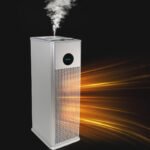
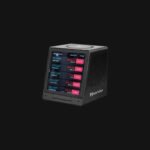
Quiet and Compact Miners: For home use, noise and heat can be concerns. Devices like the Magicminer BG01 or Nerdminer series are designed to be quiet and compact for indoor setups.
Factors to consider:
Hash rate (higher = faster mining)
Energy consumption (lower = lower electricity costs)
Noise and heat output
Price and availability
3. Electricity and Cost Considerations
Mining consumes electricity, which can become the largest ongoing expense. Before starting:
Calculate the expected energy consumption of your miner.
Compare your local electricity rates.
Consider cooling solutions if your space tends to get warm.
Example: A compact miner like BG01 consumes less electricity than industrial rigs, making it ideal for home use.
4. Setting Up Your Home Mining Environment
To ensure a safe and efficient mining operation:
Ventilation: Miners generate heat, so ensure good airflow.
Stable Power Supply: Avoid surges with surge protectors or UPS.
Noise Management: Place miners in a separate room or use soundproofing solutions.
Internet Connectivity: A stable internet connection is crucial to maintain mining efficiency.
5. Mining Pools vs Solo Mining
Solo Mining: You mine alone and keep 100% of the rewards but it can take a long time to earn anything.
Mining Pools: You combine resources with other miners and earn a share of the rewards more consistently.
For home miners, joining a mining pool is usually recommended.
6. Safety Tips
Mining can be safe if you follow these precautions:
Avoid overheating—monitor temperature regularly.
Keep miners on non-flammable surfaces.
Regularly update mining software to protect against vulnerabilities.
Track electricity usage to prevent bills from skyrocketing.
7. Profitability and Expectations
Home mining can be profitable, but returns depend on:
Equipment efficiency
Bitcoin price trends
Electricity costs
While home mining is not a “get-rich-quick” scheme, it can be a rewarding hobby or small-scale investment when planned properly.
Conclusion
Home Bitcoin mining is more accessible than ever, but success requires understanding hardware, electricity costs, and safety. With the right setup, quiet equipment, and realistic expectations, mining Bitcoin at home can be both fun and profitable.
Start small, monitor your setup, and grow your mining journey with confidence.