A Question Plugged into a Socket: What Is Bitcoin, Really?
THE FIRST ENCOUNTER: A NAME THAT SOUNDS LIKE A SCAM
The name “Bitcoin” has probably been around for a while. Occasionally, a news story pops up — someone bought a few dollars’ worth of Bitcoin years ago, and now it’s worth millions. For most ordinary people, the first reaction to such stories isn’t “Wow, that’s amazing,” but rather “This must be a scam.”
Caution is a natural response to anything unfamiliar. Especially when something sounds “too good to be true,” suspicion kicks in. For many, Bitcoin is that thing — something you don’t really understand, but others say you can make money from it. It feels far away, so far that it doesn’t seem worth caring about.
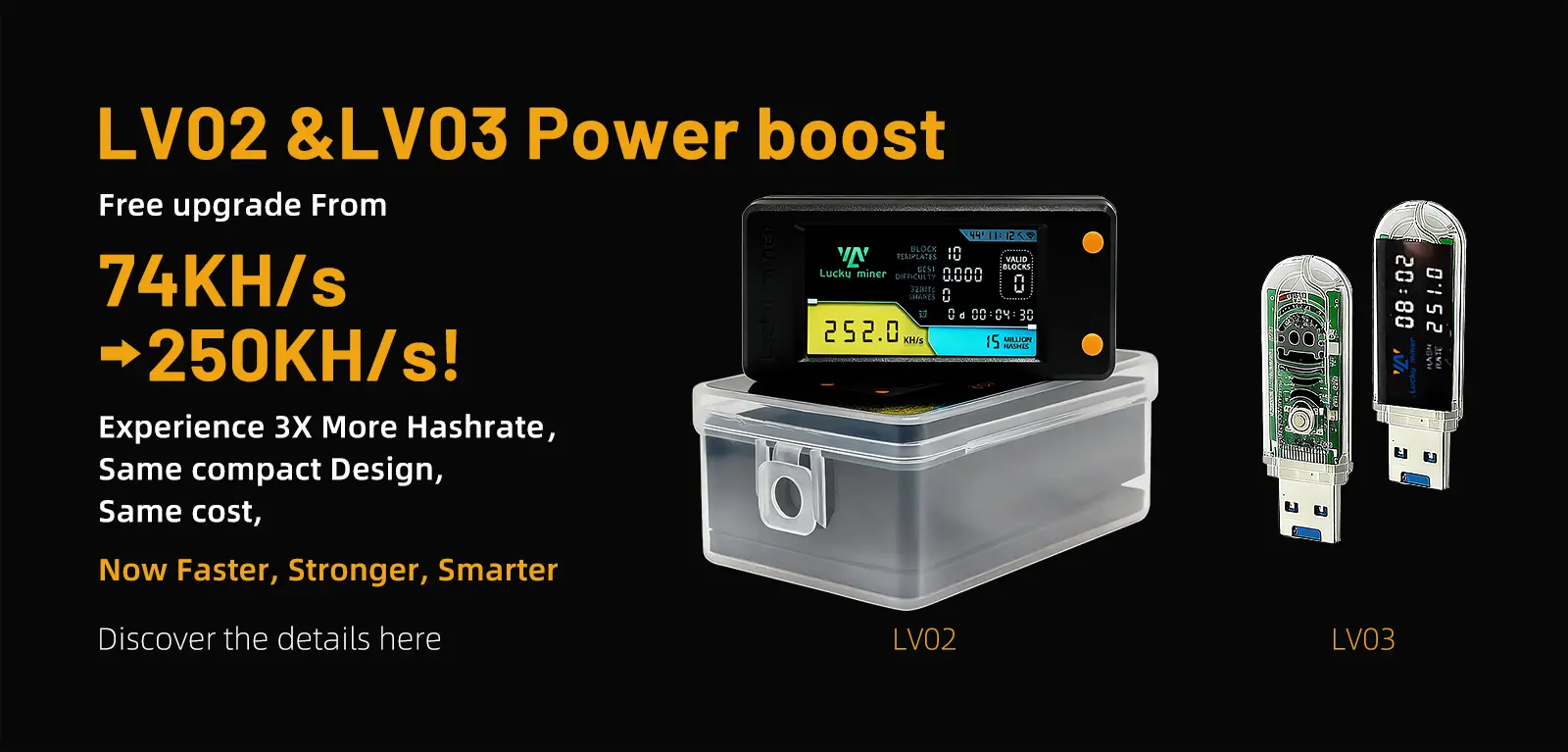
THE WORD THAT CONFUSES: “MINING”
But then, people around you start talking about it. Not finance professionals — just ordinary colleagues and friends. And they’re not talking about “trading coins” — they’re talking about “mining.” That word sounds even stranger. What is there to mine? What are you mining? How do you mine?
So, a curious person might try searching online. And the result is often more confusing than before.
THE INFORMATION OVERLOAD: BLOCKCHAIN, HASHRATE, PROOF OF WORK…
“Blockchain,” “hashrate,” “proof of work,” “halving,” “private key,” “cold wallet” — each term sounds like a language from another planet. After watching a dozen videos and reading several long articles, the conclusion is often: I understand a little bit, but I still feel like this has nothing to do with me.
It’s not a lack of willingness to learn. It’s that the information feels too “heavy.” Every article seems to tell the reader: “You need to understand these ten concepts first before you’re qualified to know about Bitcoin.” For an ordinary person, there’s just no motivation to go through that.
CURIOSITY REKINDLED: FINDING THE RIGHT KIND OF CONTENT
But curiosity is a strange thing. It doesn’t disappear just because the information is complex. Sometimes, it gets reignited at an unexpected moment.
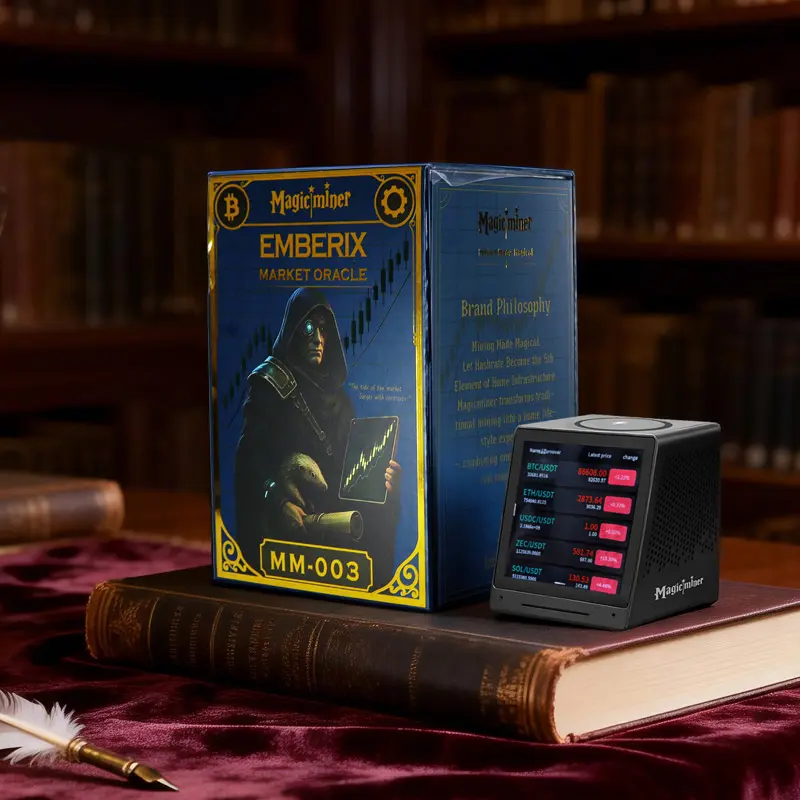
The beauty of the internet is that information is everywhere. Whether it’s images, videos, forum posts, or scattered discussions on social media — if you’re willing to spend a little time digging, you can always find content that is less “academic” and less “professional.” For example, on YouTube, there are creators who make “Bitcoin for beginners” series. They don’t teach complex theories. They just show how one person starts from zero. In some tech forums, someone occasionally shares their exploration journey — not about investment strategies, but about how they used a small, inexpensive device to experience what “mining” actually feels like.
These kinds of content are often more appealing than long, technical white papers. Because they don’t assume you already know anything. They don’t ask you to make any decisions. They just show a process: a person, driven by curiosity, tries something, sees some results, and gains a new understanding of what Bitcoin really is.
A SMALL STEP: UNDERSTANDING THAT IT’S NOT JUST A COIN
And that “new understanding” doesn’t have to turn into action right away. It can simply stay in your mind as a small update to your worldview: Oh, so that’s how Bitcoin works. So mining doesn’t require a huge investment. So this industry has many different layers and players.
THE ECOSYSTEM: MORE THAN JUST BITCOIN
In fact, when someone starts taking Bitcoin seriously, they begin to realize it’s not an isolated “thing.” It’s more like an ecosystem — a network made up of many technologies, concepts, and participants. At the core of this system is a technology called “blockchain.” Many people have heard the word, but few truly understand it. And that’s perfectly normal. Blockchain is still a developing technology. It’s not as intuitive as a smartphone or as easy to use as social media. It’s more like a set of underlying logic, slowly seeping into various corners of the digital world.
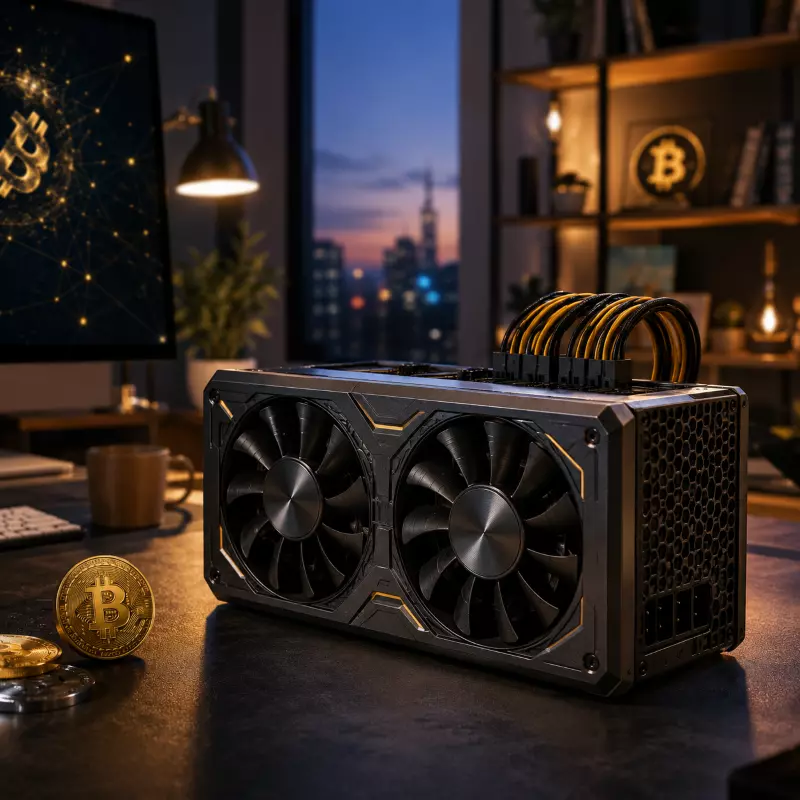
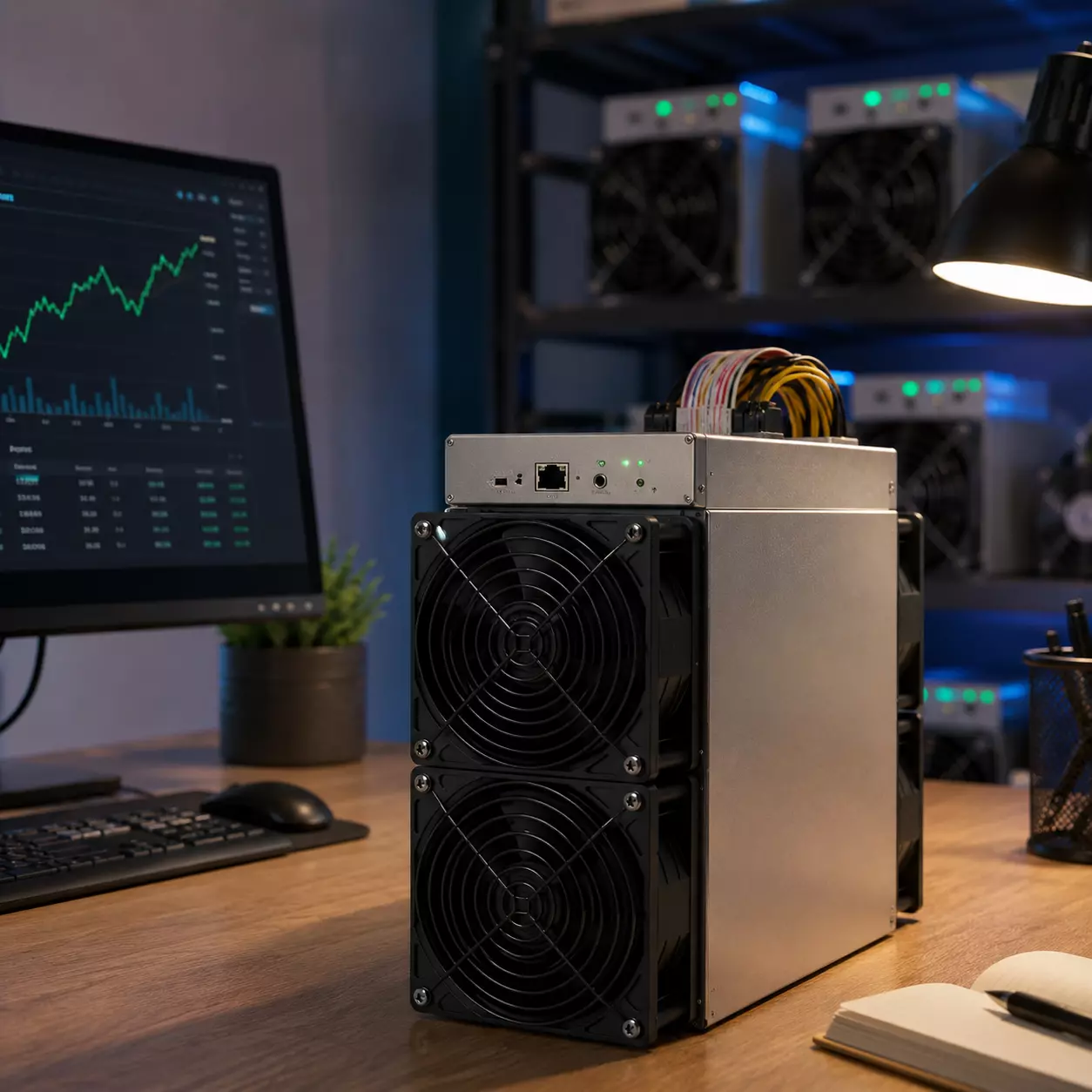
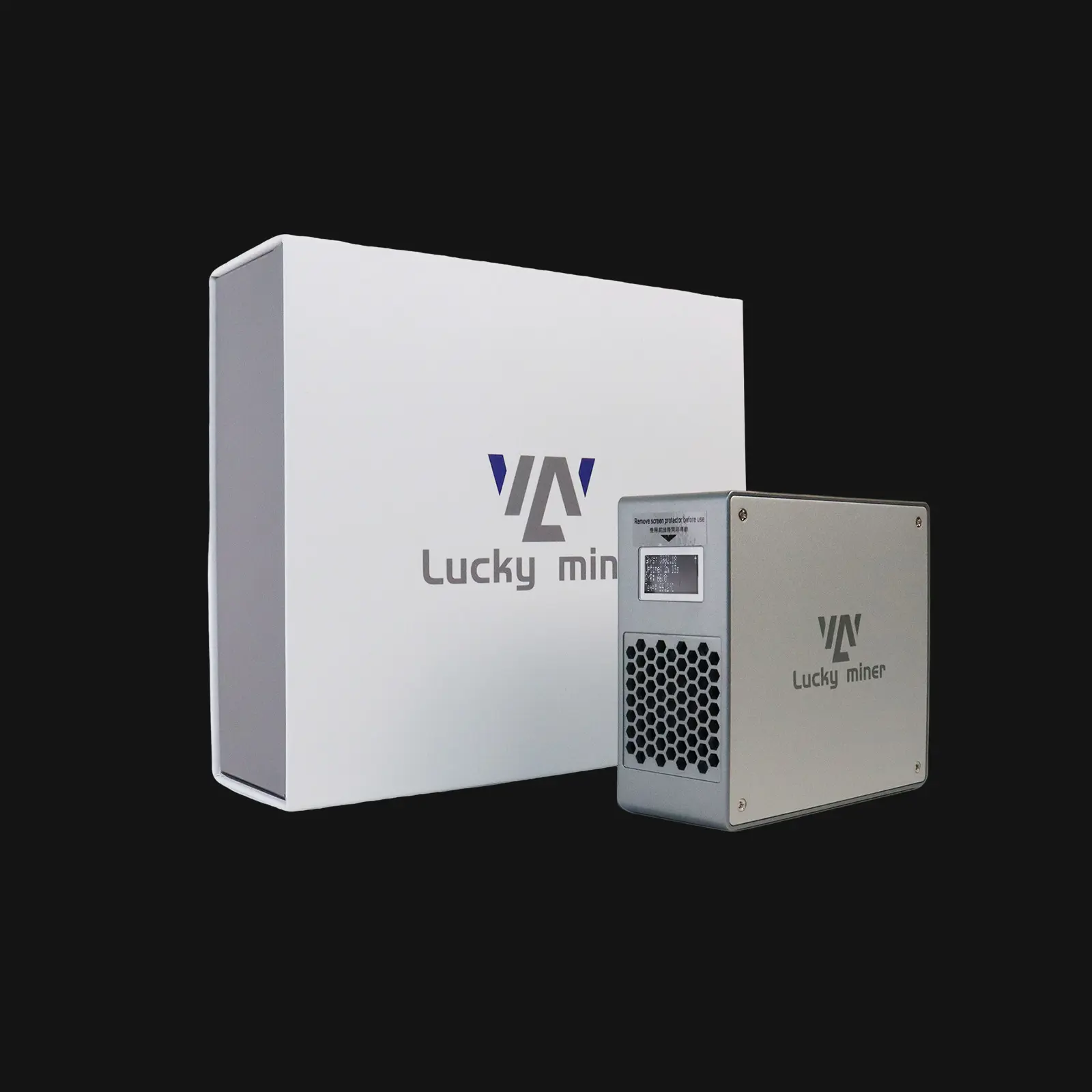
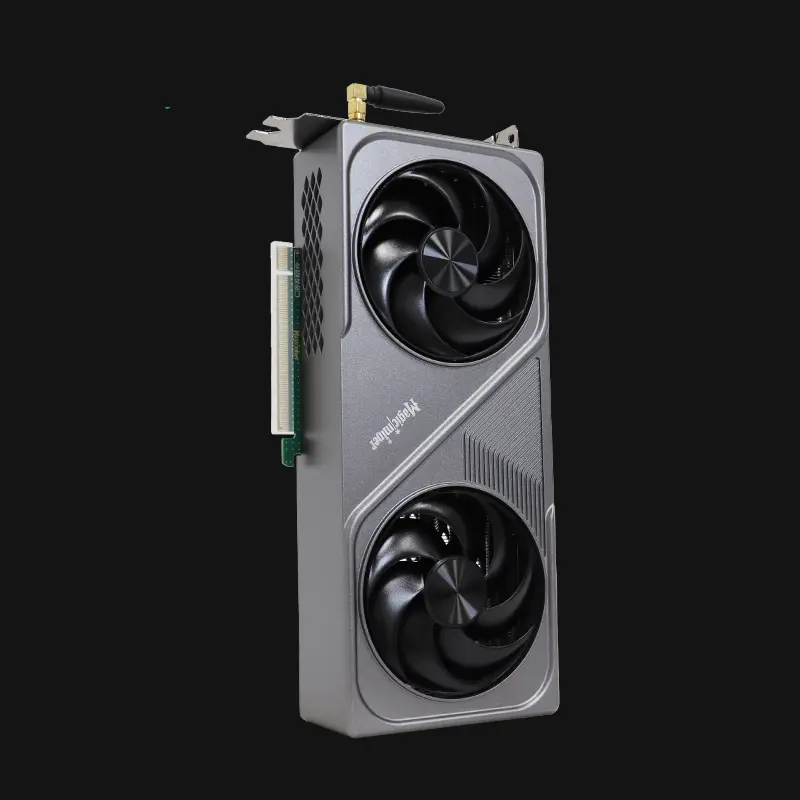
Within this ecosystem, there are miners, wallets, exchanges, nodes, developers, and all kinds of projects trying to solve real-world problems using blockchain. These roles and tools together form a vast, evolving system. For most people, the first thing they encounter might be a “miner” — because it’s relatively tangible: a physical device that plugs in, runs, and produces results. But a miner is just the tip of the iceberg. Behind it are more complex things: consensus mechanisms, network protocols, encryption algorithms, decentralized governance…
THE REAL WORLD: BITCOIN MEETS POLICY AND BUSINESS
And this system is not closed off. It interacts with the real world in many ways. Some companies are experimenting with blockchain for supply chains, copyright, or healthcare. Some financial institutions are studying whether Bitcoin can be included in asset allocation. None of these are isolated. They are all part of the “Bitcoin ecosystem.”
PIECING IT TOGETHER: FROM A SMALL DEVICE TO A BIG PICTURE
So the process of truly understanding Bitcoin is really a process of slowly piecing together a puzzle. At first, you might just pick up one small piece — a small miner, or a wallet app. But as more pieces come together, you begin to see the bigger picture: behind this thing is a system being built by thousands of people around the world. It’s not perfect. It’s still changing. It has many controversies. But it exists, and it is being recognized by more and more people.
ANOTHER DISCOVERY: THE WALLET
Along the way, many people also encounter another thing: a wallet.
In the past, a “wallet” was just a place to hold money. But a Bitcoin wallet is an app, or something like a USB drive, that holds your Bitcoin address and private key. The first time someone transfers a small amount of Bitcoin into a wallet, they often feel a little nervous — can a few numbers and lines of code really keep those “digital coins” safe?
Over time, it becomes clear that the core of Bitcoin isn’t just mining. It’s the ability to hold your own money. No bank. No third party. Just you and your private key. That feeling is completely different from keeping money in a bank.
BEYOND MINING: HEAT, ENERGY, AND SUSTAINABILITY
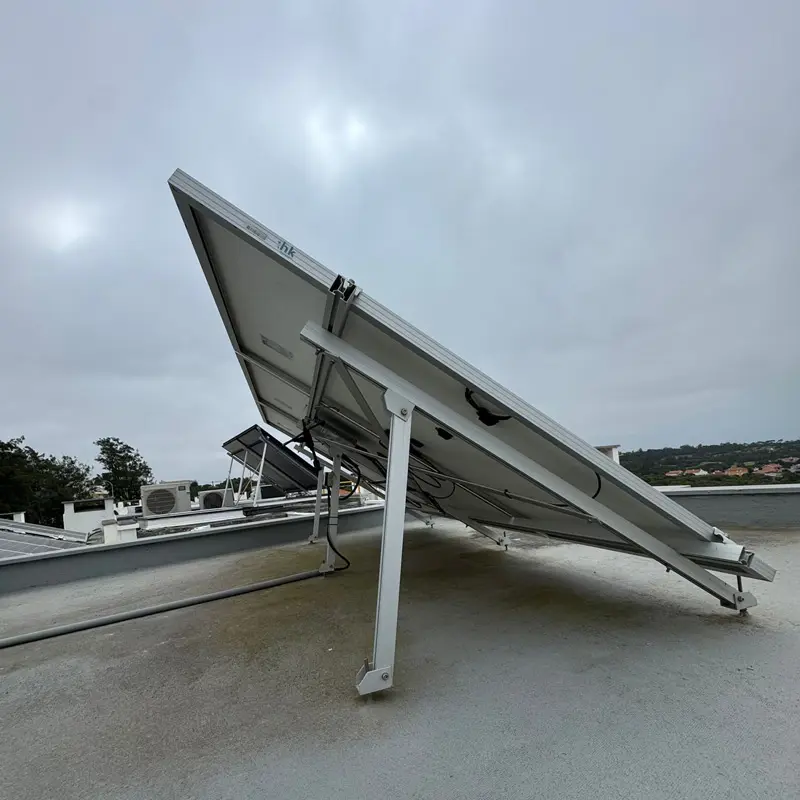
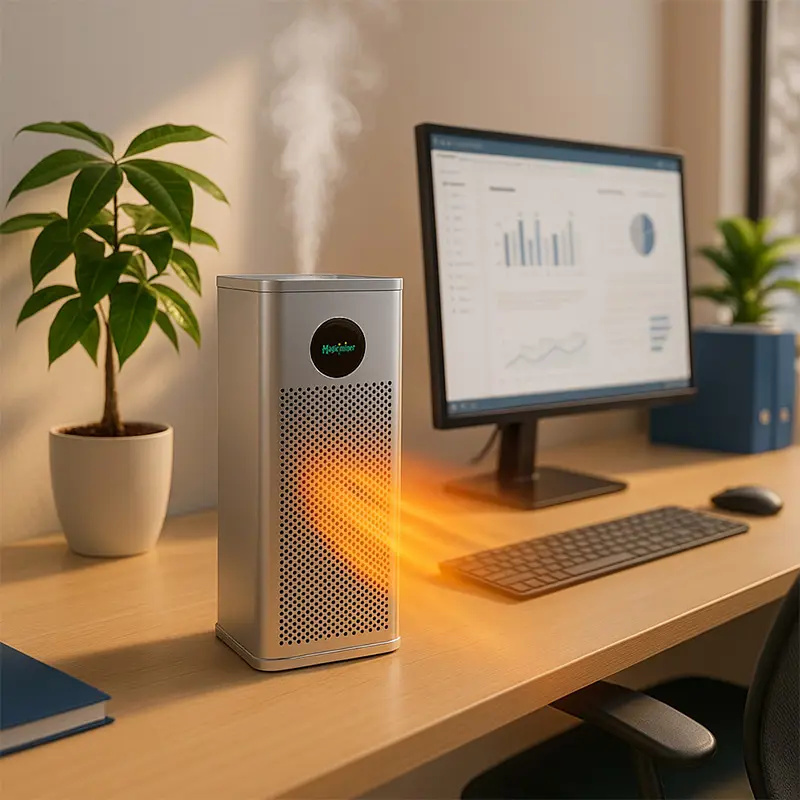
And there are many things in this field that most people haven’t encountered yet. For example, some people set up miners in their garages and run them on solar power, trying to make their mining energy cleaner. Others notice that miners generate a lot of heat — which, in traditional thinking, is simply wasted. But in some places, that heat is cleverly redirected into daily life: warming water, heating a room, or even keeping coffee hot. This idea of “waste heat reuse” gives mining — often seen as a power-hungry activity — a softer, more sustainable face. It doesn’t fully solve the energy problem, but it at least shows a direction: the energy generated by technology doesn’t have to be just consumed — it can also be reused.
THE FUTURE: STILL A WORK IN PROGRESS
The future holds more unexpected discoveries. More devices and tools will be tried. One day, blockchain will be truly understood.
Or maybe not. Maybe you’ll just stay where you are — looking occasionally, trying a little, not investing too much, and not giving up entirely.
FINAL THOUGHT: THE WINDOW IS OPEN, EVEN JUST A CRACK
Because some things don’t need to be fully understood. You just need to see them running in front of you — and that’s already one small step more than you knew yesterday.
And that small step might be the window, slightly open, for you to look through.