How to Choose the Ideal Home Bitcoin Miner: Power, Noise, and Hashrate Explained
INTRODUCTION: WHY YOU MUST UNDERSTAND THESE THREE FACTORS BEFORE BUYING A HOME MINER
As cryptocurrency mining becomes increasingly accessible, home miners have emerged as a popular choice for everyday enthusiasts. Unlike industrial-grade mining machines, home miners are designed to emphasize low power consumption, quiet operation, and ease of use—allowing ordinary people to participate in the Bitcoin network from their own living rooms or home offices.
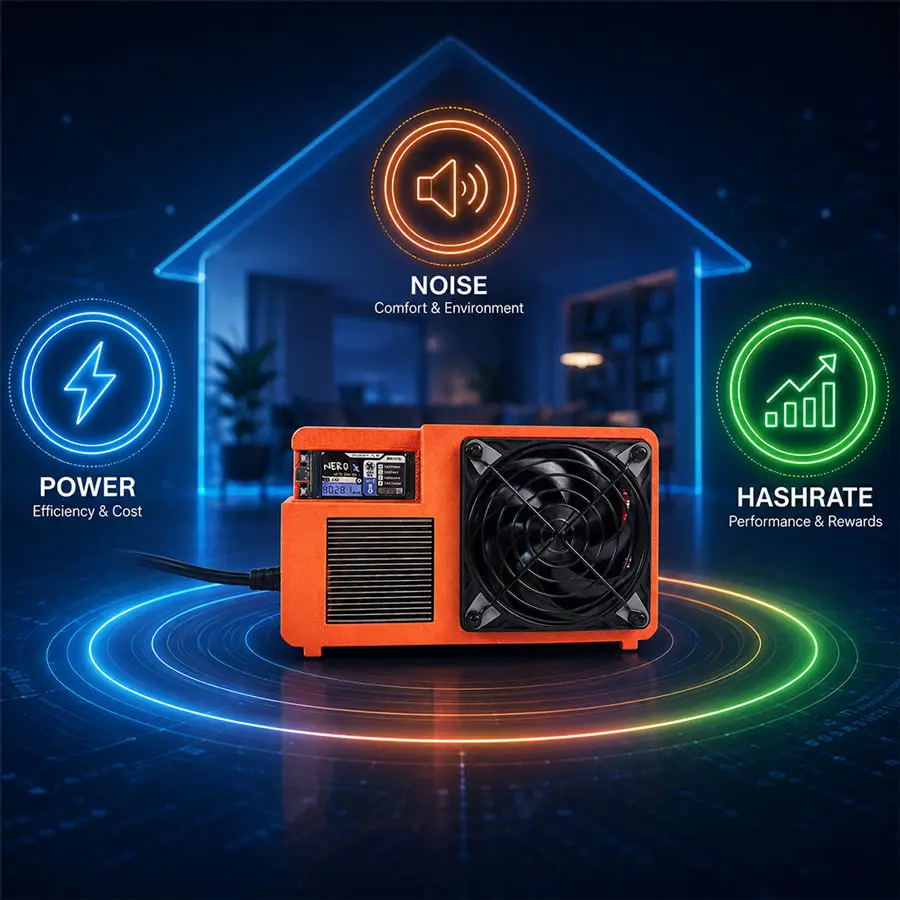
This home bitcoin miner selection guide focuses on the three factors that matter most: power, noise, and hashrate. Many users encounter confusion during real-world usage. Some complain that “the machine is too loud to place in the bedroom.” Others report that “the hashrate is advertised as 6 TH/s, but I only get 4.8 TH/s.” Still others encounter failures because they did not understand the power requirements of their device.
These issues are rarely product defects. They are almost always the result of a lack of understanding about these three core specifications. This article breaks down each factor, grounded in real user feedback and actual usage scenarios, to help you build a rational mindset before making your purchase.
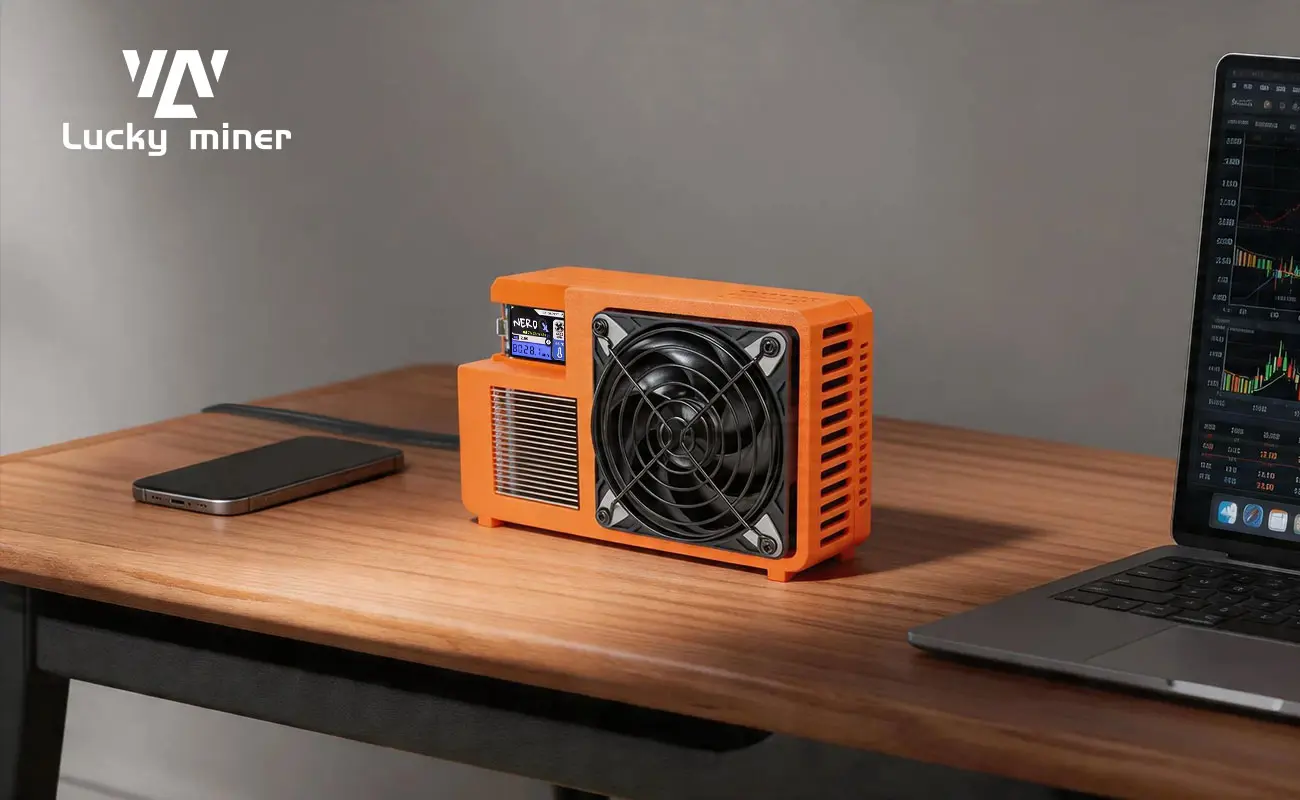
PART ONE: POWER — THE FIRST THRESHOLD FOR A HOME MINER
Power consumption determines whether a mining machine can operate long-term in a residential environment. It directly impacts electricity costs, heat generation, and the load placed on your home’s electrical system.
1. Power and Electricity Costs
Mining machines run 24 hours a day, 7 days a week. Therefore, power consumption directly determines your monthly electricity bill. For example, a 120W miner consumes approximately 2.88 kWh per day. At a residential rate of 0.6 RMB per kWh, that amounts to roughly 52 RMB per month. A 150W miner consumes 3.6 kWh per day, which translates to about 65 RMB per month.
While the difference may seem small for a single unit, the costs add up quickly when running multiple machines. For users who simply want to experience the mining process or learn how it works, ultra-low-power devices in the 13W to 40W range are far more suitable.
2. Power and Heat Dissipation
Higher power output generates more heat. The cooling system of a miner must be properly matched to its power level. In our after-sales data, several users reported “overheating protection shutdown.” In many cases, the root cause was placing a high-power miner in an enclosed space or a poorly ventilated room. Understanding this relationship helps you position your miner correctly within your home.
3. Power and Power Supply Compatibility
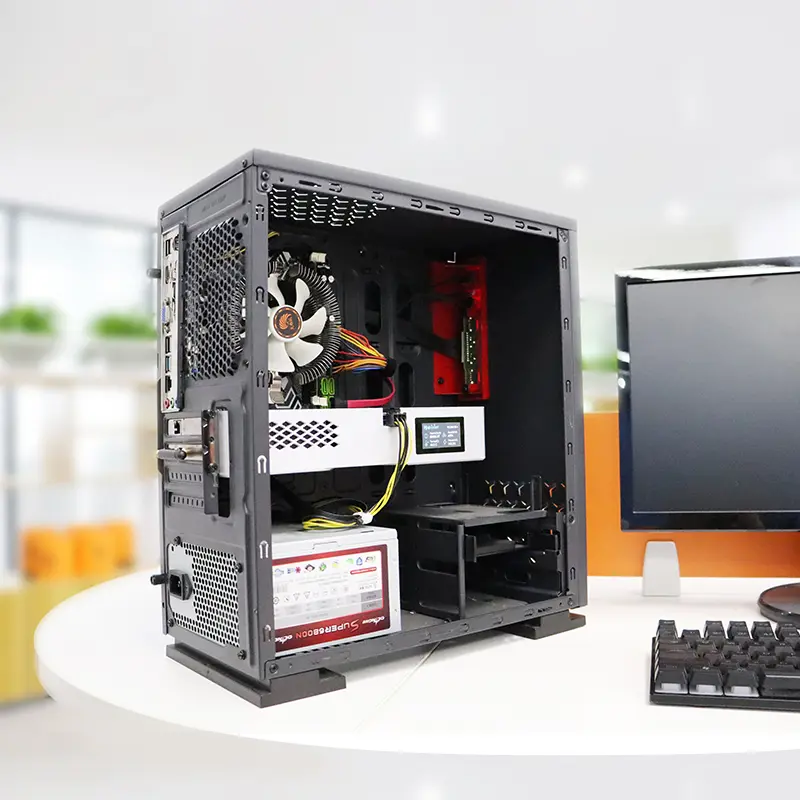
Different miners require different power interfaces. PCIe connectors, XT30 connectors, and XT60 connectors are all common power interfaces found on home miners. The power adapter you use must match the miner’s specifications. Some users have experienced equipment failure because they used an incompatible or undersized power supply.
Before purchasing, confirming the required power interface and adapter specifications for your chosen miner is an essential step.
PART TWO: NOISE — THE DECISIVE FACTOR FOR HOME LIVING
For home miners, noise is just as important as hashrate. A machine with impressive specifications becomes less useful if it prevents you from sleeping or concentrating.
1. What the Decibel Numbers Actually Mean
Miner noise levels are typically measured in decibels (dB). For reference:
40 dB is roughly equivalent to a quiet library.
45 dB is comparable to normal conversation in an office.
60 dB and above is closer to street-level ambient noise.
Most home miners are designed to operate between 38 dB and 45 dB, which is generally acceptable for residential use.
However, it is important to note that the manufacturer’s noise rating is often measured under controlled temperature conditions. When ambient temperature rises, the cooling fan spins faster to maintain safe operating temperatures, and the noise level increases accordingly. This means real-world noise may differ from the specified rating.
2. Noise and Real User Feedback
In our after-sales records, one user reported: “The miner is far too noisy for indoor use.” This feedback typically relates to model positioning. Higher-hashrate machines often require more aggressive cooling, which translates to faster fan speeds and higher noise output.
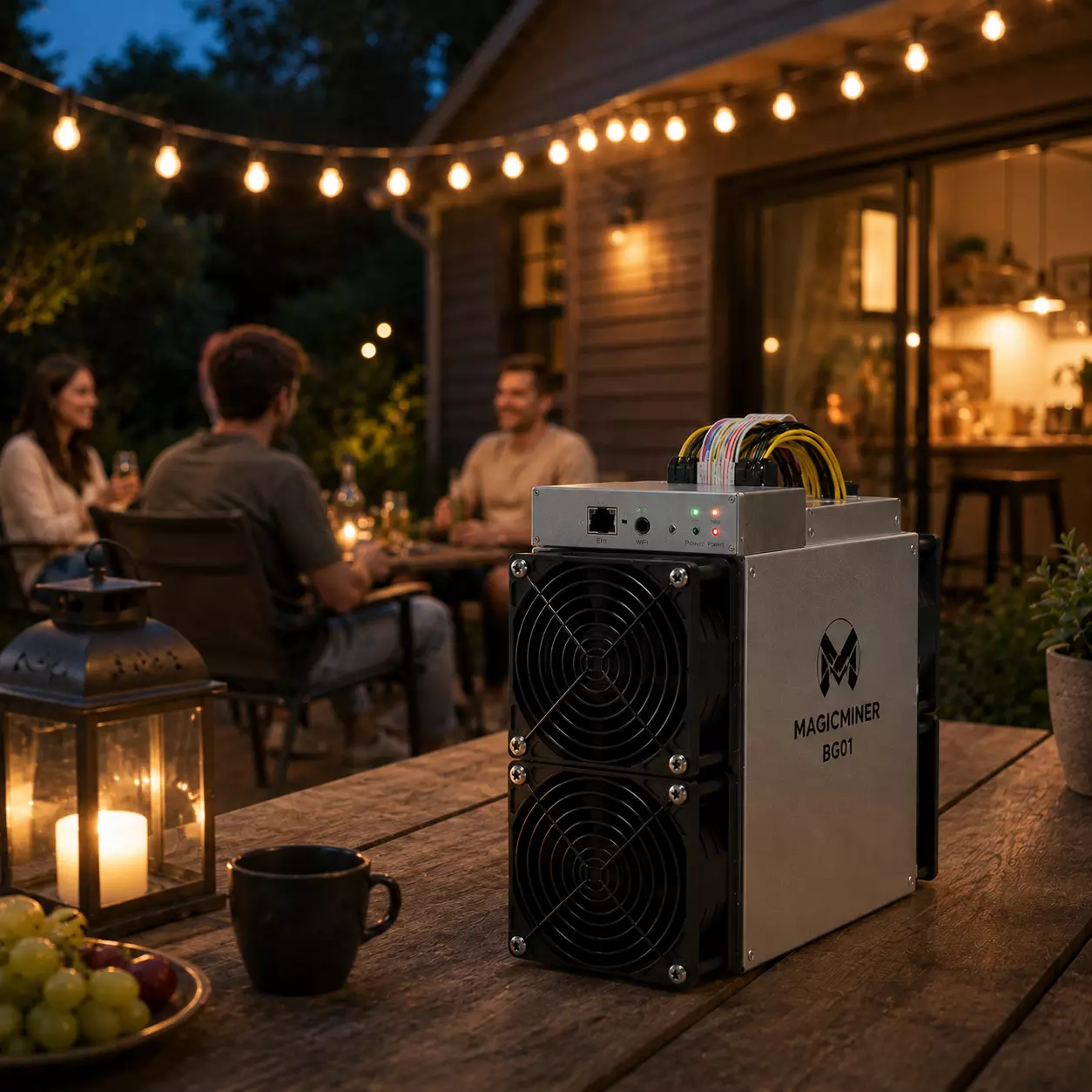
When choosing a miner, you must evaluate your own environment. If you plan to place the unit in a bedroom or a quiet study, prioritize models with noise levels below 40 dB and ensure adequate ventilation space around the device.
3. How to Reduce Actual Operating Noise
Even with a low-noise model, proper placement can significantly reduce perceived noise. Placing the miner on a solid desk rather than directly on the floor minimizes vibration and resonance. Avoid placing it inside a closed cabinet, as restricted airflow forces the fan to run at higher speeds, which actually increases noise.
PART THREE: HASHRATE — UNDERSTANDING THE GAP BETWEEN SPECIFIED AND REAL PERFORMANCE
Hashrate is the most intuitive measure of a miner’s performance. Yet it is also the specification that generates the most misunderstanding.
1. Specified Hashrate vs. Actual Hashrate
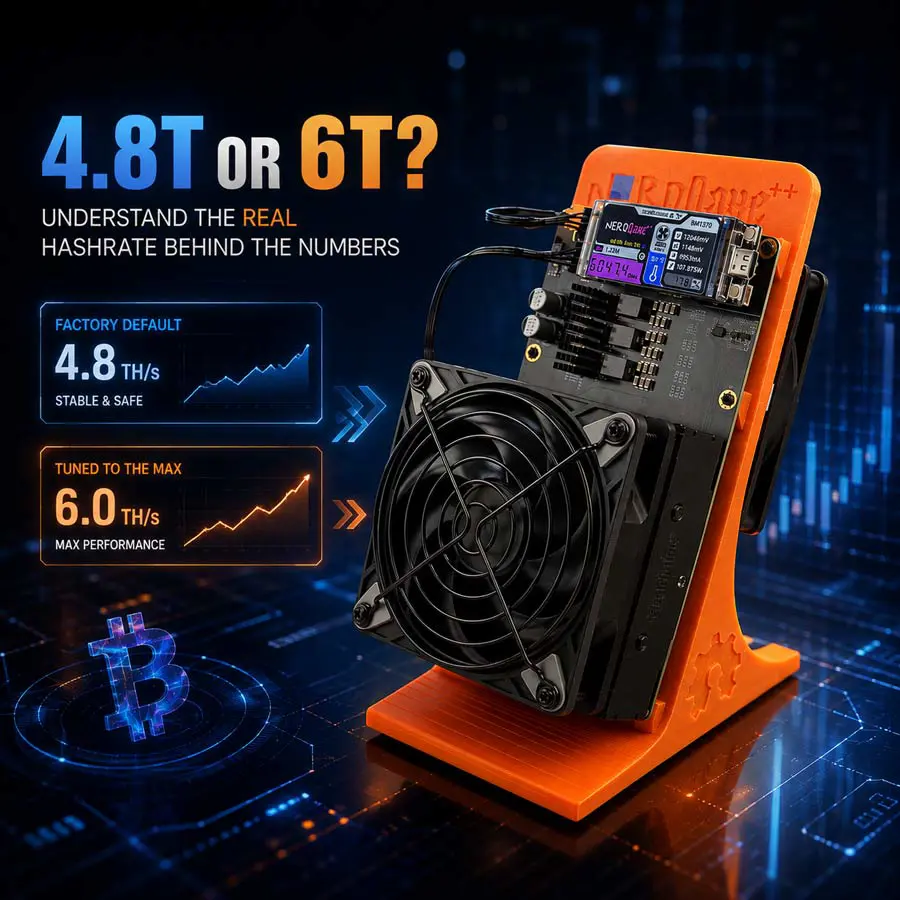
Manufacturers typically advertise a “specified hashrate,” such as “6 TH/s.” In actual operation, however, the hashrate can fluctuate based on ambient temperature, power supply quality, and firmware version. Additionally, many miners run in a conservative default mode where the hashrate is intentionally lower than the maximum advertised figure.
For example, the NerdQaxe++ is advertised with a maximum hashrate of 6 TH/s, but at factory default settings, it typically delivers approximately 4.8 TH/s. This gap is not a defect. It is a safety margin designed by the manufacturer to ensure stability across a wide range of operating environments. Users can gradually approach the advertised figure by adjusting frequency and voltage settings, but this comes with increased power consumption and heat output.
2. Hashrate and Mining Rewards
For the average user, hashrate is directly related to mining rewards. However, it is essential to understand that the Bitcoin network’s difficulty is extremely high. The hashrate of a home miner represents a negligible fraction of the network’s total processing power.
Therefore, home miners are best understood as tools for learning, education, and participation—not as a reliable source of investment returns.
3. How to Interpret Hashrate Data Realistically
When comparing products, treat the advertised hashrate as an “upper limit reference” and the default operating hashrate as the “day-to-day performance.” If you prefer a device that delivers close to its maximum hashrate out of the box, look for models that are factory-tuned for higher frequencies. If you are willing to adjust parameters yourself, you must fully understand the balance between frequency, voltage, and temperature.
PART FOUR: THE TRADE-OFF TRIANGLE AMONG THE THREE INDICATORS
In practice, power, noise, and hashrate are not independent variables. They form a triangle where improving one factor often affects the others.
1. Low Power, Low Noise, Moderate Hashrate
This category suits the vast majority of home users. Devices in this class typically draw between 25W and 40W. They produce minimal heat, operate quietly, and deliver moderate hashrate that is sufficient for continuous 24/7 operation without burdening household circuits or your electricity bill.
2. Moderate Power, Low Noise, Higher Hashrate
This category serves users who need additional mining power without sacrificing quiet operation. These devices typically range from 100W to 150W while maintaining noise levels below 40 dB. They are well-suited for placement in a living room, study, or dedicated workspace.
3. High Power, Higher Noise, High Hashrate
These machines target users who prioritize maximum performance. Their power consumption may reach 160W or higher, with correspondingly higher noise output. Before purchasing, you must confirm that your home’s electrical circuit can handle the continuous load and that you have adequate space for heat dissipation.
PART FIVE: FINAL CONSIDERATIONS BEFORE PURCHASE
After evaluating the three core indicators, there are a few additional checks you should perform:
Confirm the coin algorithm you intend to mine. SHA-256 supports Bitcoin and Bitcoin Cash, while Scrypt supports Litecoin and Dogecoin.
Verify the power interface type. Different connectors require different power adapters.
Review the warranty policy. Ensure that the manufacturer provides a clear after-sales channel and reasonable coverage.
CONCLUSION
Choosing a home Bitcoin miner is not about simply comparing specifications on paper. Power determines your electricity costs and heat output. Noise determines whether the miner can coexist with your daily life. Hashrate determines your mining experience.
Only by understanding these three factors and the trade-offs between them can you make a truly informed decision.